
TRIGGER’s
If someone had told us at the beginning of the project that one of our outreach activities would reach 12,000 participants, we probably would not have believed it.
And what if they had added that this activity would take place in a botanical garden, where visitors had to discover hidden characters and decode a secret message about climate resilience?
Where would we even begin?
Here, we share the journey behind our collaboration with the Royal Botanical Garden CSIC of Madrid, where we explored how gamification and hybrid science communication formats can bring climate and health knowledge closer to wider audiences.


From the very beginning of TRIGGER, we have placed special emphasis on reaching diverse audiences and exploring new ways of communicating science.
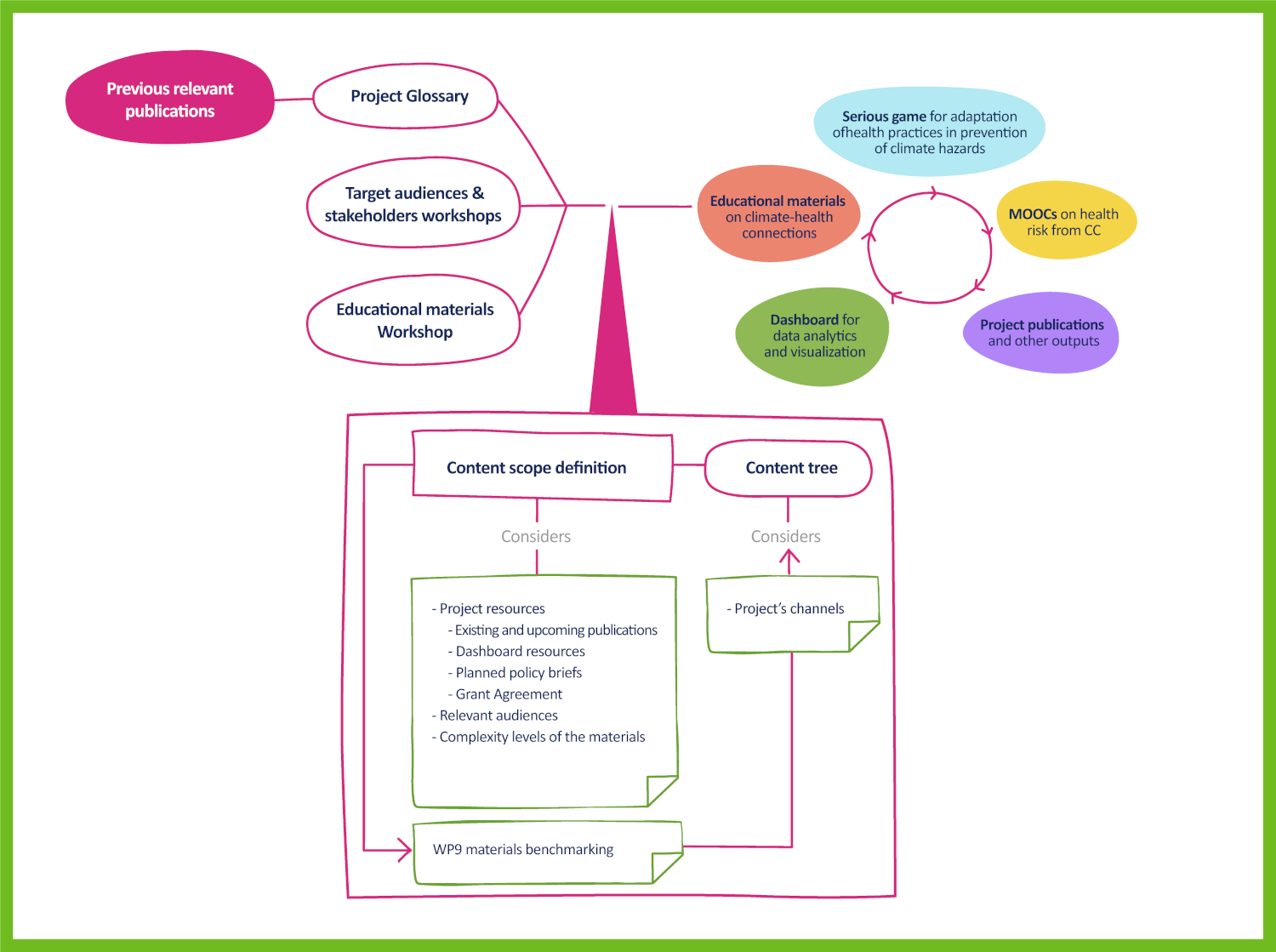
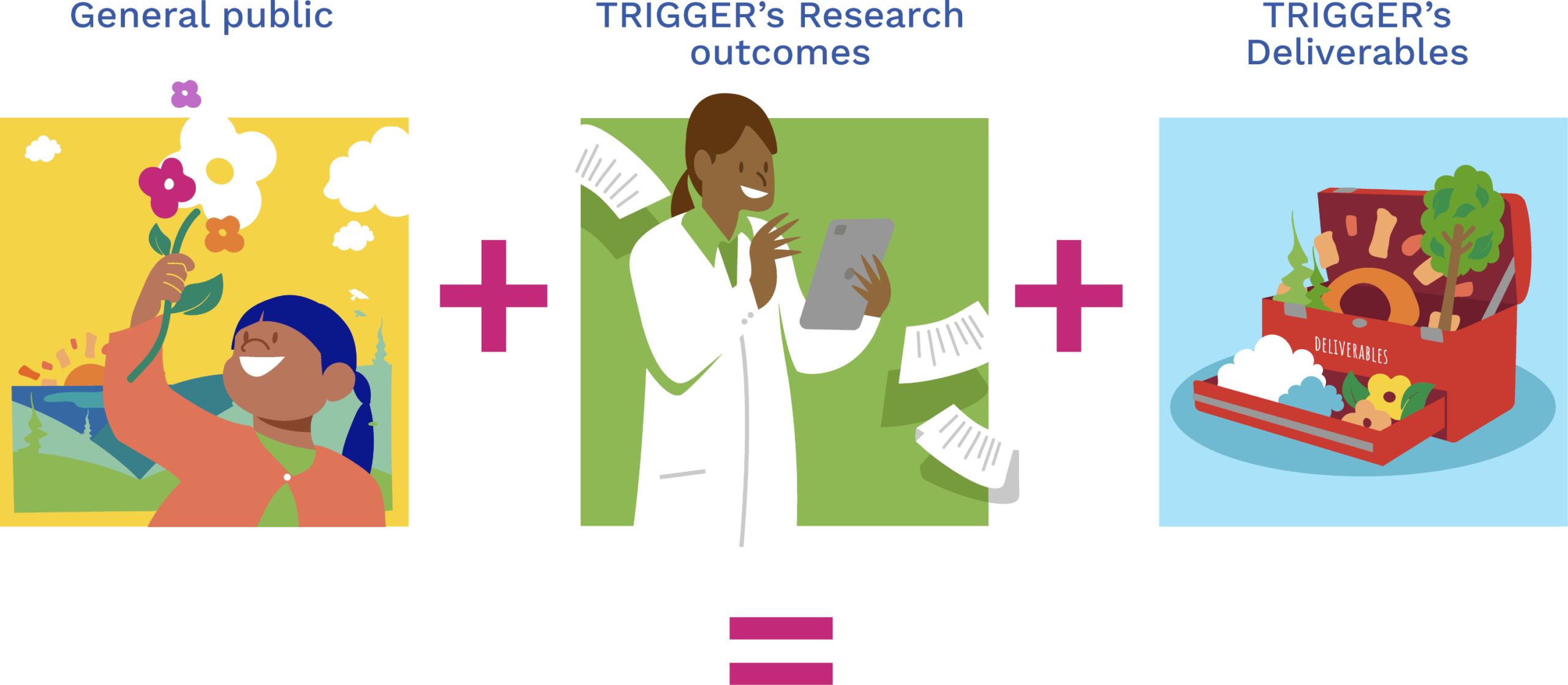
Developing educational resources with a positive, action-oriented perspective has been at the core of our strategy. These materials build on the project’s research outputs, as well as previous work developed by our partners and other organisations working on climate change, health impacts, and environmental resilience.
To design the scientific content behind this activity, we reviewed TRIGGER’s outputs, deliverables, scientific publications, and educational resources to ensure consistency between our research and the messages shared with visitors.

We needed a place where we could connect with a large and diverse audience, with a constant flow of visitors, while also providing a comfortable environment protected from extreme heat.
That is how we found the perfect partner: the Royal Botanical Garden of Madrid.
Finding the perfect place
From the very beginning of TRIGGER, we have placed special emphasis on reaching diverse audiences and exploring new ways of communicating science.
Developing educational resources with a positive, action-oriented perspective has been at the core of our strategy. These materials build on the project’s research outputs, as well as previous work developed by our partners and other organisations working on climate change, health impacts, and environmental resilience.
To design the scientific content behind this activity, we reviewed TRIGGER’s outputs, deliverables, scientific publications, and educational resources to ensure consistency between our research and the messages shared with visitors.


Well, the response has been excellent. Most of the people visiting the garden took the leaflet handed out at the ticket office and took part in the activity. But beyond the high number of participants, what I found most significant was that the majority completed the entire tour. And that’s a clear sign that they were enjoying the experience and that the activity managed to hold their interest throughout the visit.

The Royal Botanical Garden of Madrid
The Royal Botanical Garden-CSIC is a living museum and research centre dedicated to the study, conservation, defence, and dissemination of plant diversity.
Founded more than 250 years ago, it is also part of the Spanish National Research Council (CSIC), combining scientific research with education and public engagement.

hiding in
the garden?
For the botanical garden activity, we transformed this knowledge into an interactive discovery experience.
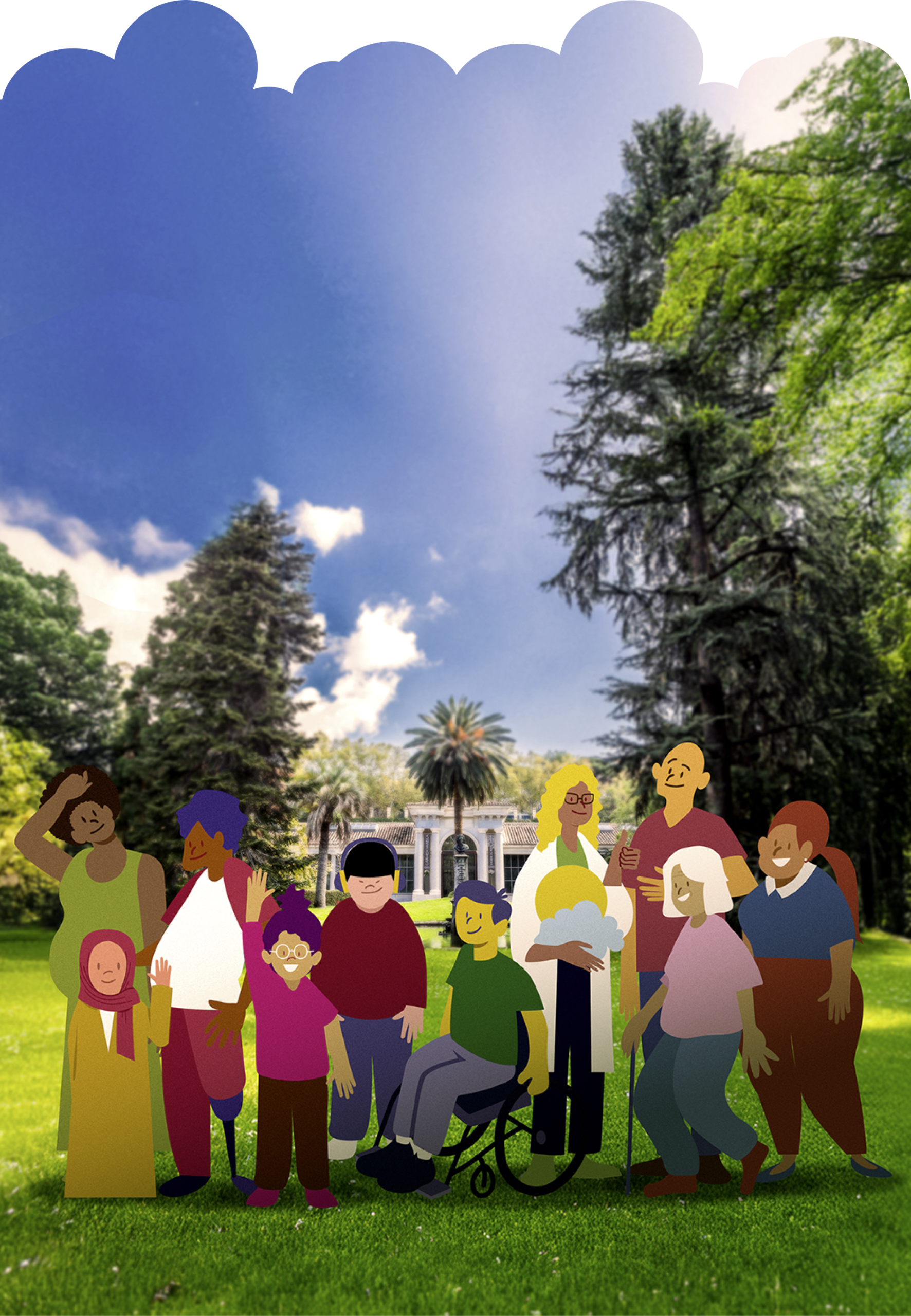
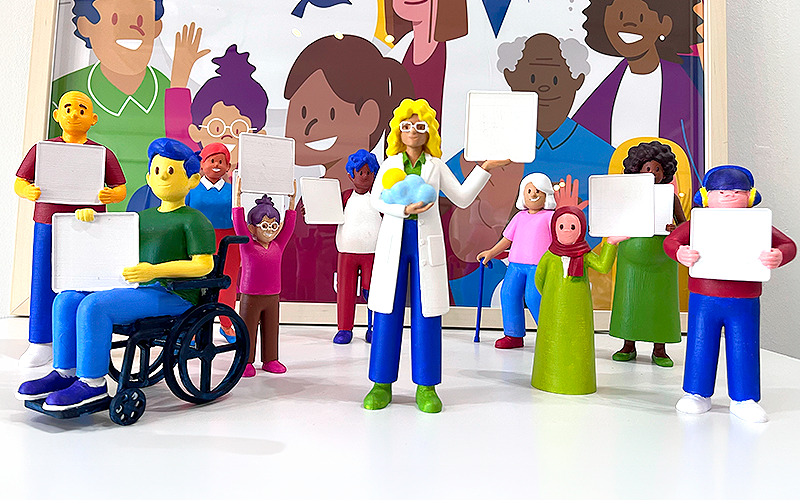
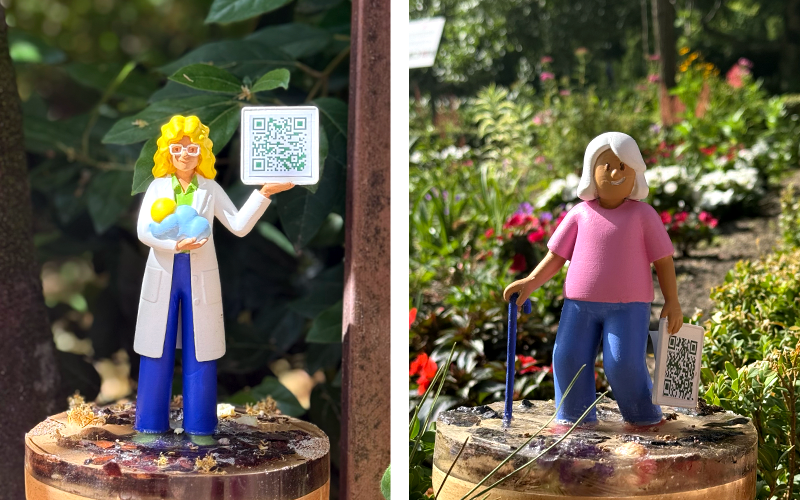
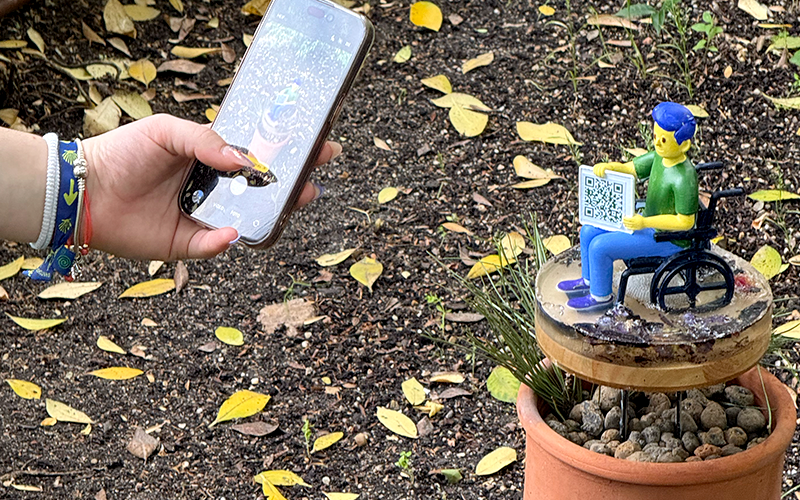
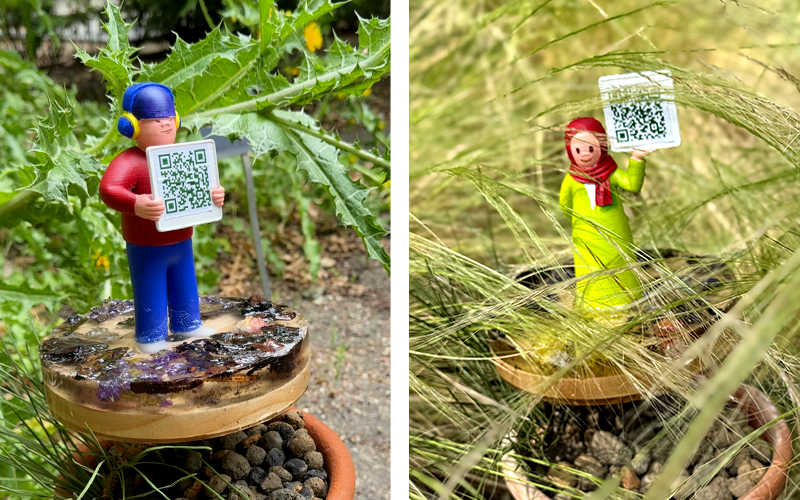
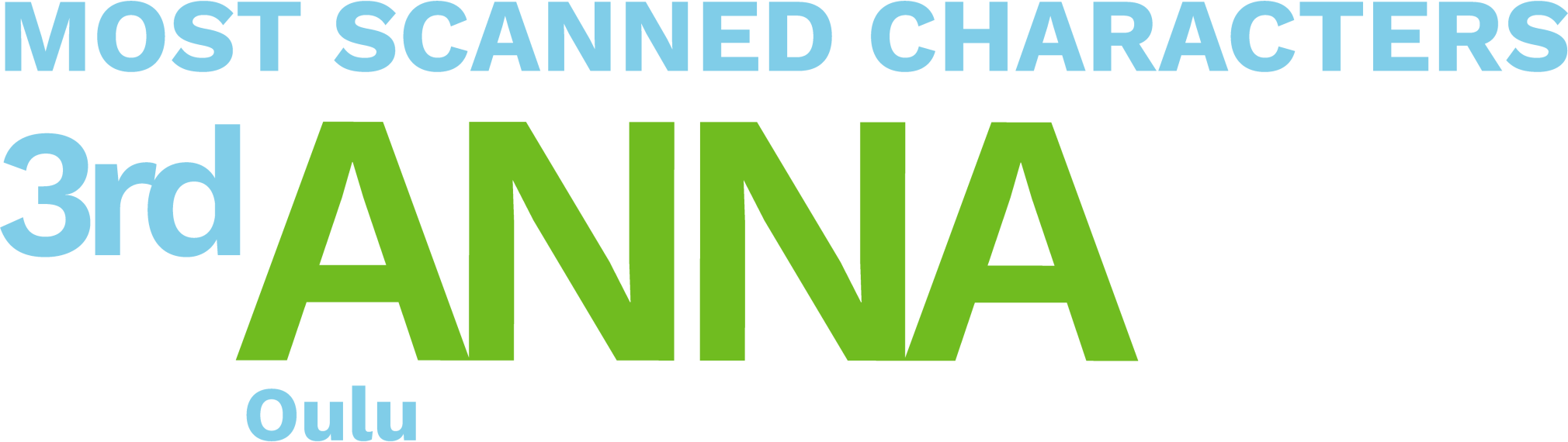
Visitors were invited to find hidden characters placed throughout the garden. Each character shared information about climate resilience and contained a letter needed to decode a final secret message.
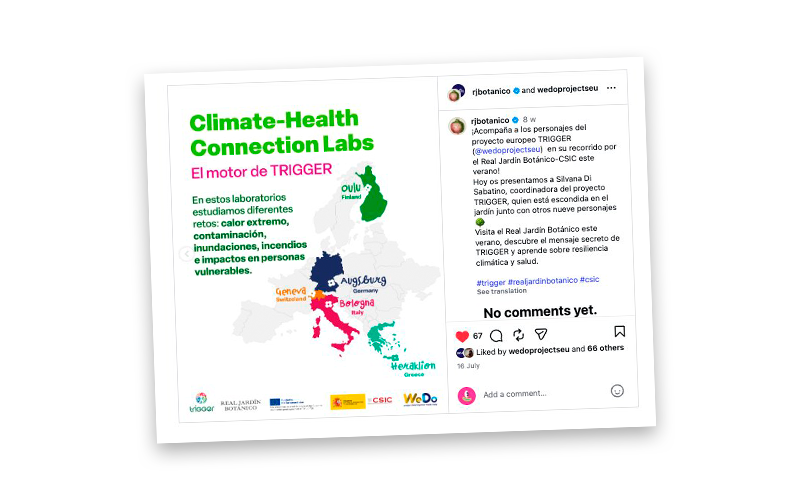
The characters were inspired by the five CHC Labs and the main information needs identified among communities in those regions.
They became the voices connecting climate research with everyday experiences.
Each one had its own story, personality, and climate message to share.
What does it take to create a complete science communication experience?
Behind every character hidden in the garden, there was a whole process involving creativity, science, communication, and technology.
The activity combined:
Spin the wheel on the right by scrolling and discover the elements we combined >>
And so the PING-PONG BEGAN
First steps: from ideas to characters
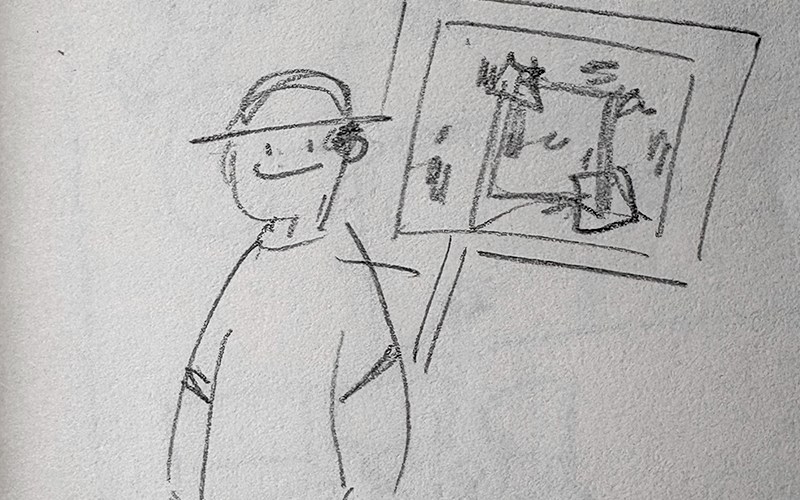
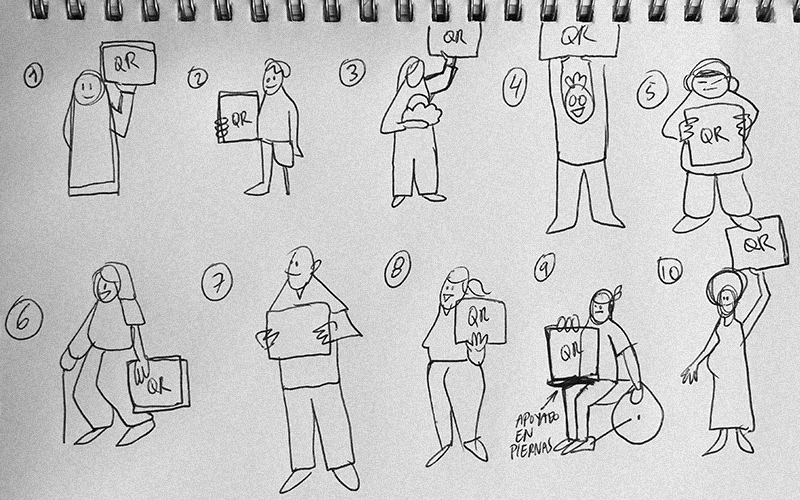
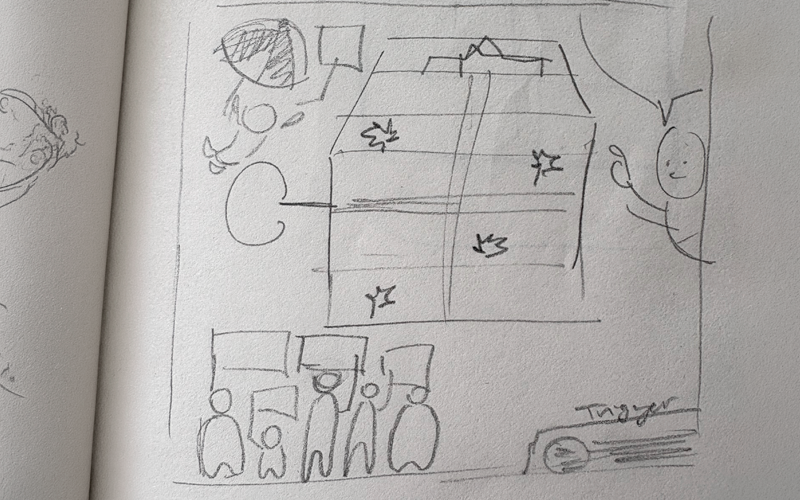
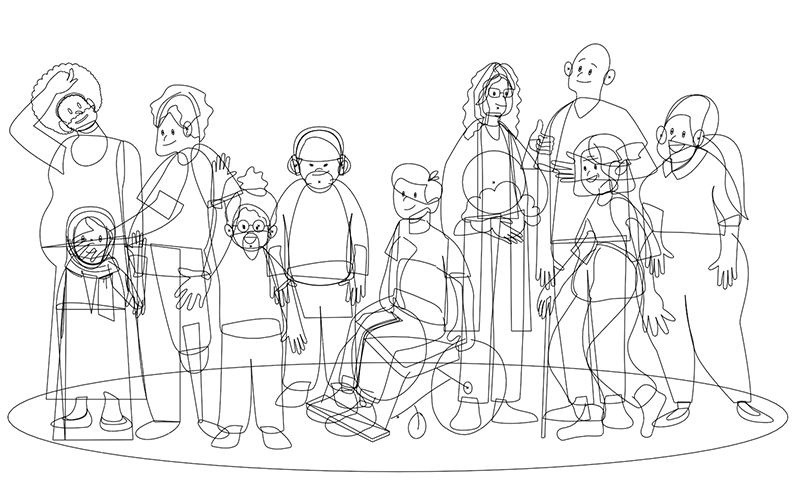
The first step was imagining the characters themselves.
We created sketches, defined their personalities, selected their names, assigned each one a city, and developed the message they would communicate.
Throughout this process, we aimed to represent different realities, perspectives, and audiences connected to climate change and health.
The science behind the storieS
Each character addressed a specific climate and health challenge, inlcuding:

All messages were developed from a positive and solution-oriented perspective, focusing on climate resilience and actionable knowledge.
These topics were based on TRIGGER’s previous educational materials and validated through collaboration with project researchers.

Listen up!
How do people discover an activity happening in a botanical garden?
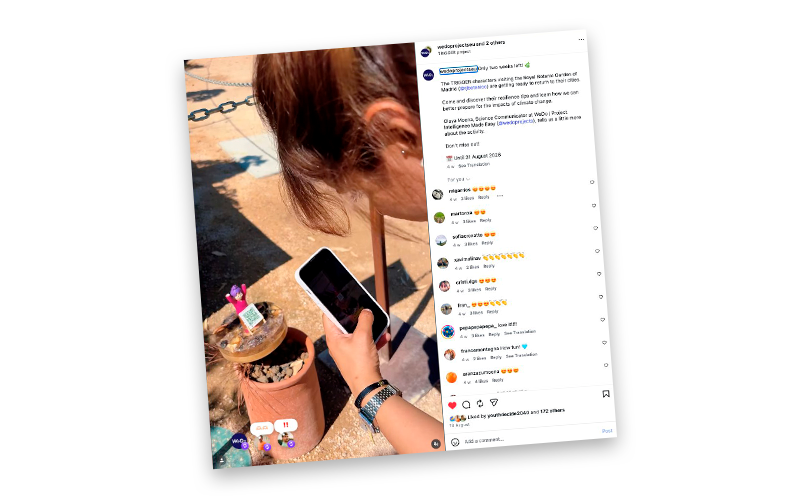
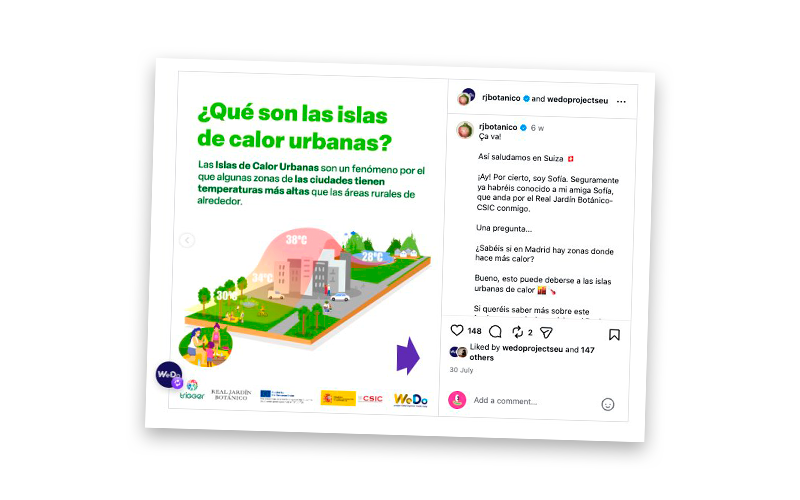
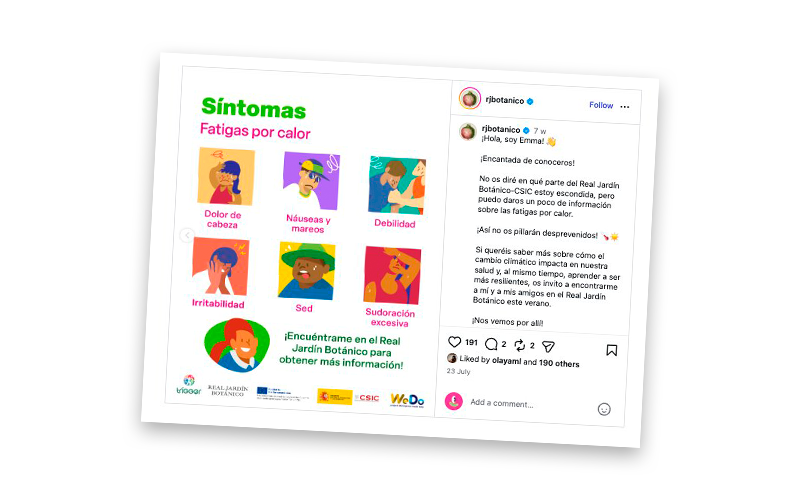
Our communication campaign combined different channels, including:
- Social media
- Event websites in Madrid
- Digital communication channels
The aim was to reach visitors before, during, and after their experience at the garden.
By the way…
Do you follow us on LinkedIn? TRIGGER EU Project
From ideas to production
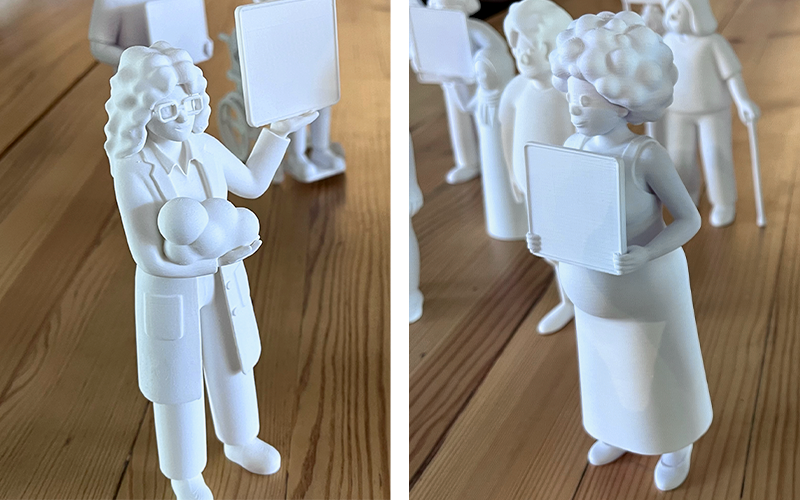
Each character followed a creative journey.
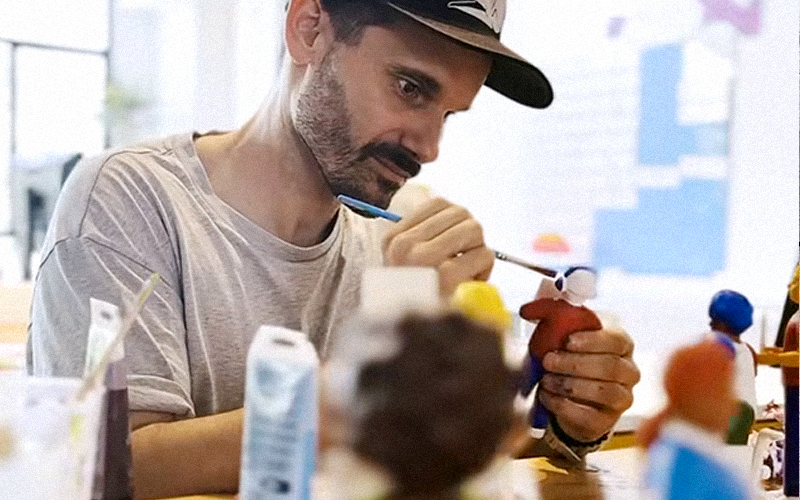
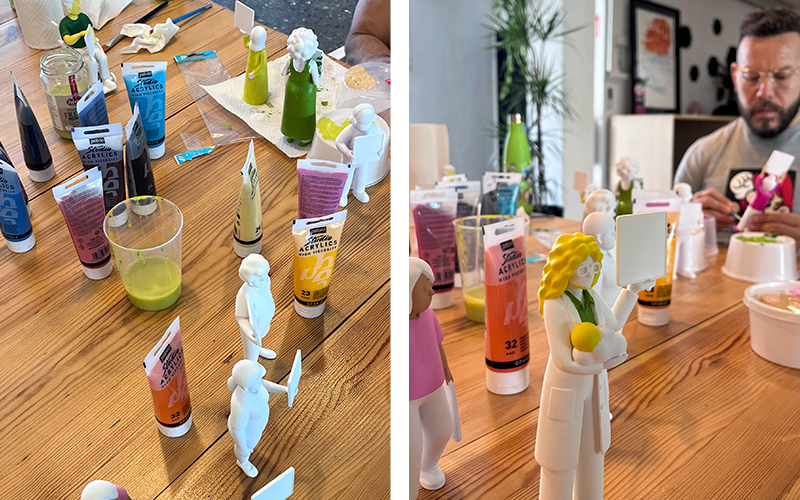
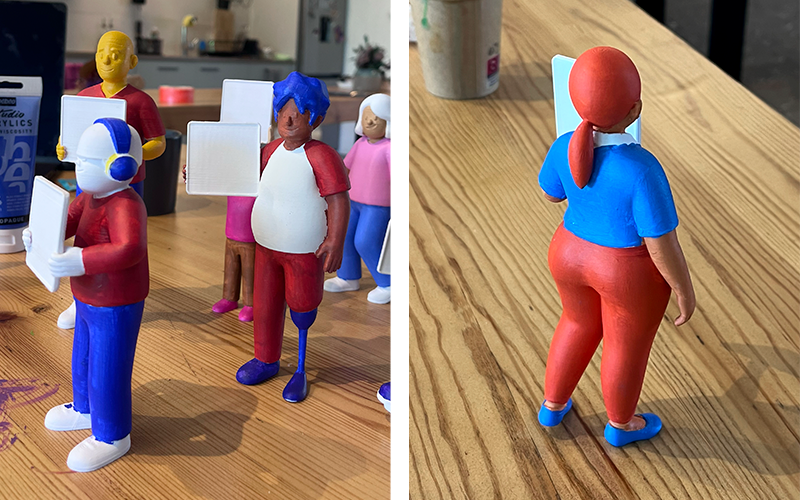
They were first designed on paper, digitally illustrated, transformed into 3D models, printed, and finally painted by hand.
From scientific concepts to colourful characters, every step helped bring climate messages to life.
The aim was to reach visitors before, during, and after their experience at the garden.


Find, Click
& Write
Each character had its own webpage available in English and Spanish, allowing visitors to discover additional information.
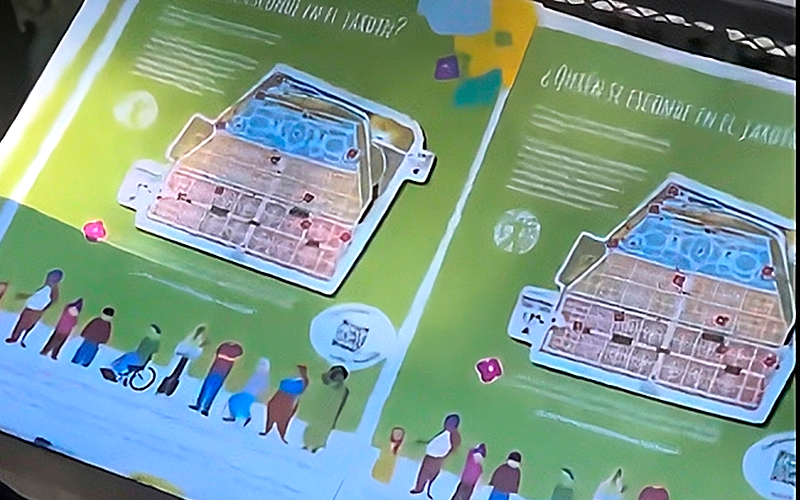
The activity also included a printed map of the garden, providing clues to locate the hidden characters and guiding visitors through the challenge of decoding the secret message.
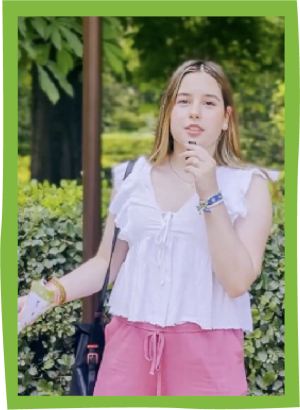
Did you miss it?
Don’t worry! Watch the
following video and check out
the experience.
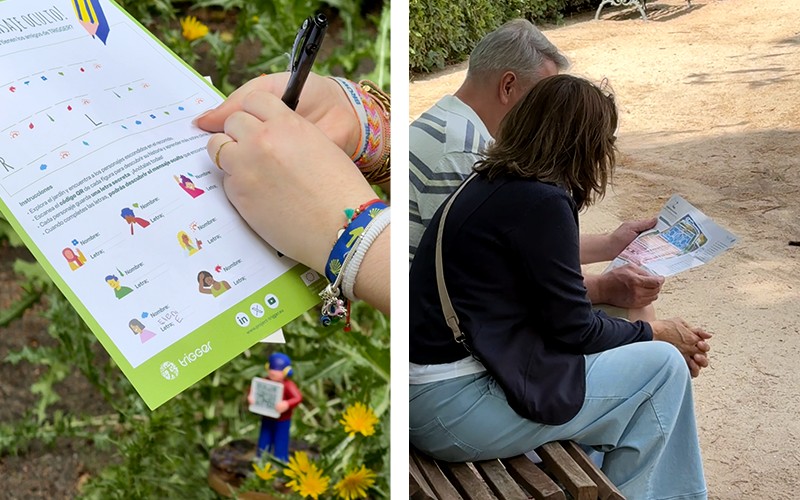
We could not be happier with the response!
Over the months of the activity, thousands of visitors explored the garden, discovered the hidden characters, and engaged with climate resilience messages.

We have found that the event has appealed to a wide variety of audiences, both in terms of age and background. Numerous families have taken part, but we have also seen groups of young friends, adults and older visitors. Furthermore, we have observed a very interesting mix of the garden’s regular visitors and tourists, both domestic and international, which demonstrates the event’s ability to attract a wide range of people.











we build resilience
A big thank you to everyone who joined us in this journey, explored the garden, discovered our hidden characters, and took a moment to learn more about climate resilience.
Building resilience is not only about scientific advances or new policies — it is also about communities, awareness, and the choices we make every day. When we understand the challenges ahead, we can better protect ourselves, support others, and create healthier environments.